

 See My Latest Article on HelloNation
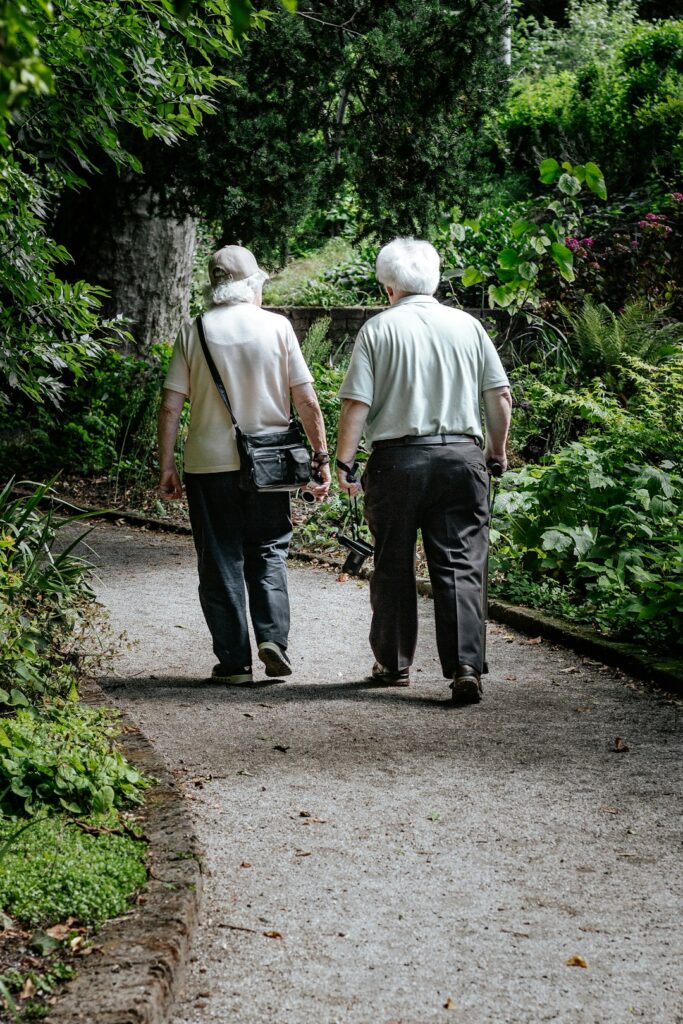
Healthy habits are built through repeated actions that fit ordinary life—not through short bursts of motivation or extreme routines. For residents of Redlands, CA, a practical approach can account for warm weather, seasonal heat, household schedules, neighborhood design, work demands, and the changing needs of the body over time.
What does it mean to build lifelong healthy habits?
Lifelong healthy habits are regular behaviors that support physical health, mental well-being, independence, and daily energy across many years. They usually include consistent movement, nourishing food, adequate sleep, stress management, preventive care, and meaningful social connection.
The goal is not to follow a perfect routine. A sustainable habit is one that can still be practiced during busy weeks, hot weather, travel, illness recovery, or changes in work and family responsibilities.
A useful habit should be:
- Specific enough to understand
- Simple enough to repeat
- Flexible enough to adjust
- Connected to a clear personal reason
- Measurable without becoming stressful
For example, “exercise more” is difficult to act on. “Walk for 15 minutes after dinner on Monday, Wednesday, and Friday” gives the behavior a time, duration, and starting point.
How should someone begin without becoming overwhelmed?
Start with one or two behaviors that provide a practical benefit and require little preparation. Trying to change diet, exercise, sleep, stress, and social routines all at once often creates unnecessary pressure.
Begin by asking:
- What habit would improve daily life most right now?
- What usually gets in the way?
- What is the smallest version of this habit that still counts?
- Where can it fit into an existing routine?
A person who rarely exercises might begin with five minutes of walking rather than a demanding workout plan. Someone who skips breakfast could prepare a simple food option the night before. A person with irregular sleep might start by keeping a consistent wake-up time before trying to change bedtime.
The first stage is about creating repetition. Duration and intensity can increase gradually after the behavior feels familiar.
What types of movement support healthy aging?
Regular movement helps maintain strength, balance, mobility, cardiovascular fitness, and confidence with everyday tasks. A complete routine includes more than one type of exercise.
Most adults benefit from combining:
- Aerobic activity, such as brisk walking, cycling, swimming, or dancing
- Strength training for major muscle groups at least twice each week
- Balance exercises, especially as fall risk increases with age
- Mobility work that supports comfortable joint movement
- Frequent light activity throughout the day
For many local residents, outdoor walking can be enjoyable during cooler mornings or evenings. During periods of high heat, indoor movement, shaded routes, shorter sessions, and adequate hydration may be safer and more practical. Heat can increase strain even during familiar activities, so the pace should be adjusted when conditions feel unusually warm.
People who have been inactive should increase gradually. Persistent pain, dizziness, chest discomfort, unusual shortness of breath, or repeated loss of balance should not be ignored.
How can eating habits support longevity?
A healthy eating pattern does not require a special diet or expensive ingredients. It is generally built around vegetables and fruit, beans and other fiber-rich foods, whole grains, nuts and seeds, and appropriate sources of protein.
A simple meal pattern may include:
- Half the plate from vegetables or fruit
- A quarter from protein
- A quarter from whole grains or another high-fiber carbohydrate
- Water or another low-sugar beverage
Consistency matters more than making every meal ideal. Planning a few reliable meals can reduce dependence on convenience foods during busy days. Keeping nutritious options visible and ready to eat also makes the desired choice easier.
Portion needs, food preferences, medical conditions, and cultural traditions vary. People managing diabetes, kidney disease, food allergies, swallowing difficulties, or unintentional weight loss may need individualized guidance rather than broad dietary rules.
A common misconception is that healthy eating means eliminating all treats. A more sustainable approach is to make nutrient-dense foods the usual foundation while allowing flexibility.
Why are sleep and recovery essential habits?
Sleep supports memory, mood, immune function, appetite regulation, and physical recovery. Adults often need about seven to nine hours, although individual needs differ.
Helpful sleep habits include:
- Keeping wake-up and bedtime schedules reasonably consistent
- Limiting bright light and stimulating activities close to bedtime
- Avoiding heavy meals, nicotine, and excessive alcohol near sleep
- Keeping the bedroom comfortable, dark, and quiet
- Addressing persistent snoring, insomnia, or repeated nighttime waking

Recovery also includes rest between demanding activities. More exercise is not always better if the body is not given enough time to adapt. Alternating harder and easier days can help people remain active without turning occasional soreness into a recurring injury.
How can stress management become part of daily life?
Stress cannot always be removed, but the body can be given regular opportunities to settle. Short practices repeated often may be more useful than occasional efforts that require large amounts of time.
Possible options include:
- Slow breathing for several minutes
- A brief walk without a phone
- Stretching after extended sitting
- Writing down the next day’s priorities
- Spending time with supportive people
- Limiting constant notifications and news exposure
- Practicing a hobby that encourages attention and enjoyment
The most effective method is one that feels realistic and personally meaningful. Stress that remains intense for long periods, disrupts sleep, or affects safety and daily functioning may require additional support.
How do people make habits last?
Habits become more reliable when they are attached to existing routines. This is sometimes called habit stacking.
Examples include:
- Doing balance exercises while waiting for water to boil
- Taking a short walk after lunch
- Preparing tomorrow’s medication organizer after brushing teeth
- Keeping a water bottle near a work area
- Packing walking shoes before leaving home
- Reviewing the next day’s schedule before bedtime
Tracking can help, but it should measure consistency rather than perfection. A calendar, short note, or phone reminder may be enough. If a habit is missed, restarting at the next reasonable opportunity is more productive than waiting for a new week or month.
Changing the environment can also reduce friction. Store frequently used healthy foods where they are easy to see, place exercise equipment in an accessible location, and create backup plans for heat, poor air quality, travel, or fatigue.
What preventive habits should not be overlooked?
Healthy aging includes routine attention to issues that may not cause symptoms at first. Preventive care can include recommended screenings, dental care, vision checks, hearing evaluation, immunizations, medication reviews, and monitoring of blood pressure or other risk factors.
Family history, age, existing conditions, and personal risk determine which services are appropriate. Keeping a current list of medications, allergies, health conditions, and questions can make routine visits more productive.
Social connection also deserves attention. Regular contact with family, friends, neighbors, volunteer groups, classes, or faith communities can support emotional health and reduce isolation. For older adults, maintaining relationships may also provide practical support during illness, extreme weather, or changes in mobility.
How can progress be evaluated realistically?
Review habits every few weeks rather than judging them day by day. Look for changes in energy, strength, sleep quality, mood, mobility, and confidence with routine activities.
If a habit is not working, modify the design rather than blaming personal discipline. Reduce the duration, change the time of day, prepare more in advance, or choose an activity that is more enjoyable.
The strongest long-term routine is usually not the most ambitious one. It is the one that can adapt while continuing to support movement, nourishment, sleep, recovery, preventive care, and connection through the ordinary seasons of life.