

 See My Latest Article on HelloNation
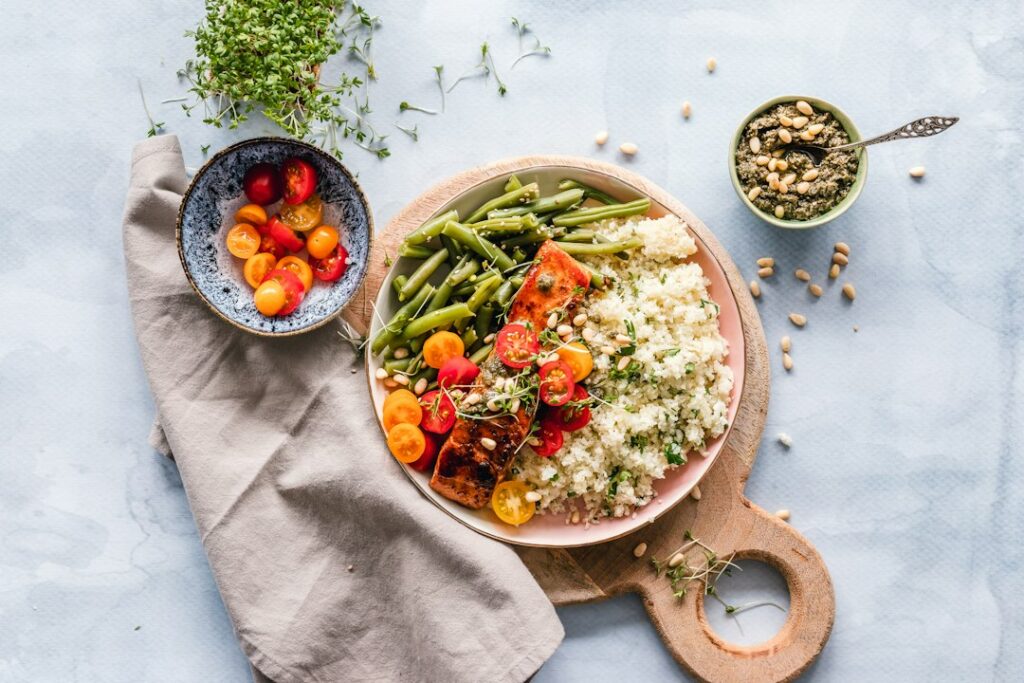
Healthy aging is supported by an overall eating pattern rather than a single “superfood.” For residents of Redlands, CA, a practical approach is to build meals around vegetables, fruit, beans, whole grains, nuts, seeds, fish or other lean proteins, and mostly unsaturated fats.
This style of eating can help support heart health, stable energy, muscle maintenance, digestion, brain health, and everyday vitality. It also works well with the area’s warm, dry climate, where hydrating foods and simple meals can be especially useful during hotter months.
What foods are most helpful for longevity?
The foods most consistently associated with healthy aging are minimally processed foods that provide fiber, protein, vitamins, minerals, and beneficial fats. No single food guarantees a longer life, but regular dietary patterns can influence the risk of conditions such as high blood pressure, heart disease, type 2 diabetes, and cognitive decline.
A longevity-supportive plate often includes:
- Half vegetables and fruit
- A quarter protein-rich food
- A quarter whole grain or other high-fiber carbohydrate
- A small amount of healthy fat
- Water or another low-sugar beverage
The balance does not have to be perfect at every meal. What matters most is the pattern repeated across days and weeks.
Which vegetables should be included regularly?
Vegetables provide fiber and a wide range of protective plant compounds. Dark leafy greens, broccoli, cabbage, carrots, tomatoes, bell peppers, squash, mushrooms, and onions are all useful choices.
Different colors often represent different nutrients, so variety is more helpful than relying on one favorite vegetable. Leafy greens contribute folate, vitamin K, and other micronutrients. Orange and red vegetables provide carotenoids. Cruciferous vegetables such as broccoli and cabbage contain naturally occurring compounds that support normal cellular defenses.
Fresh vegetables are valuable, but frozen and no-salt-added canned options can also fit a healthy diet. During hot weather in Redlands, chilled vegetables can make meals easier to prepare and more appealing. A bean-and-vegetable salad, tomato-based soup served cool, or a plate of sliced produce with hummus can be more practical than turning on the oven.
Are fruits too high in sugar?
For most people, whole fruit is a nutritious part of a longevity-focused diet. Fruit contains natural sugar along with fiber, water, vitamins, minerals, and plant compounds. The fiber slows digestion compared with sweetened drinks or many refined desserts.
Useful choices include berries, apples, oranges, pears, grapes, peaches, plums, and melon. Citrus and melons can also contribute fluid during warm weather, although they should not replace regular water intake.
Fruit juice is different from whole fruit because it contains less fiber and is easier to consume quickly. A small serving may fit into some eating patterns, but whole fruit is generally the more filling choice.
People managing diabetes or blood sugar concerns do not necessarily need to avoid fruit. Portion size, total carbohydrate intake, and pairing fruit with protein or healthy fat can matter more than eliminating it entirely.
Why are beans, lentils, and peas important?
Beans, lentils, and peas provide a combination of plant protein, fiber, potassium, magnesium, and other nutrients. They can support fullness, regular digestion, and steadier blood sugar after meals.
Examples include black beans, kidney beans, chickpeas, lentils, split peas, and soy foods. They work in soups, salads, grain bowls, tacos, stews, and blended spreads.
Canned beans are convenient. Rinsing them can reduce some of the added sodium. For people who are not used to eating much fiber, increasing portions gradually and drinking enough fluid may help reduce bloating.
Which proteins help preserve strength and vitality?
Adequate protein becomes increasingly important with age because it helps maintain muscle, strength, immune function, and recovery. Protein is best spread throughout the day rather than saved for one large evening meal.
Good options include:
- Fish and seafood
- Eggs
- Plain yogurt or cottage cheese
- Milk or fortified soy beverages
- Chicken or turkey
- Tofu and tempeh
- Beans, lentils, and peas
- Nuts and seeds
Fish such as salmon, sardines, trout, and other oily varieties provide omega-3 fats. These fats support heart and brain health as part of an overall balanced diet.
Red meat does not have to be completely eliminated, but portions can be moderate, with more frequent use of fish, poultry, beans, and plant-based proteins. Processed meats, including many cured or smoked products, are best limited.
What role do whole grains play?
Whole grains retain more of the grain’s natural fiber and nutrients than refined grains. Oats, barley, brown rice, quinoa, whole-grain bread, and whole-wheat pasta can support digestive health and provide longer-lasting energy.

Fiber also helps with cholesterol management and may support a healthier gut environment. A gradual shift can be easier than changing everything at once. For example, use half brown rice and half white rice, add oats to breakfast, or choose a whole-grain side several times each week.
Not every packaged food labeled “multigrain” or “wheat” is a whole-grain food. Checking the ingredient list for a whole grain near the beginning is more reliable than depending only on front-label wording.
Which fats support healthy aging?
Unsaturated fats are found in olive oil, avocados, walnuts, almonds, peanuts, seeds, and many fish. These foods can add flavor and help the body absorb fat-soluble vitamins.
Nuts and seeds are nutrient-dense, so a small handful is often enough. Nut butters can be useful as long as added sugar and sodium are limited. Olive oil works well for dressings and moderate-heat cooking, while avocado can be added to salads, grain bowls, or whole-grain toast.
Replacing some butter, shortening, or heavily processed snack foods with unsaturated fat sources is generally more useful than simply adding extra fat to the diet.
How much water is needed for vitality?
Fluids support circulation, temperature regulation, digestion, and concentration. Thirst may become less noticeable with age, and hot, dry conditions can increase the risk of dehydration.
Water should be the usual beverage, with fluid-rich foods such as fruit, vegetables, yogurt, and broth contributing as well. During very warm days, keeping water available and drinking regularly is more dependable than waiting until thirst becomes strong.
People with heart, kidney, or other medical conditions may have individualized fluid guidance. The same applies to sodium, potassium, protein, and carbohydrate intake.
What foods are better limited?
Longevity-supportive eating does not require perfection or a completely restrictive diet. It does help to limit foods that provide large amounts of calories, sodium, saturated fat, or added sugar with relatively little fiber or micronutrient value.
Common examples include sugary drinks, heavily refined snack foods, frequent desserts, highly processed meats, and oversized portions of fried foods. These foods can appear occasionally without defining the overall eating pattern.
A helpful question is not “Is this food good or bad?” but “How often does this food appear, and what is it replacing?”
How can households make these choices practical?
A simple weekly framework can reduce decision fatigue:
- Keep washed fruit visible and ready to eat.
- Prepare a pot of beans, lentils, or whole grains for several meals.
- Add a vegetable to lunch and dinner, even if breakfast remains unchanged.
- Pair snacks with protein, such as fruit with nuts or yogurt.
- Use frozen vegetables when fresh produce is expensive or likely to spoil.
- Plan lighter meals for hot days and more substantial cooked meals when temperatures are lower.
- Keep portions appropriate for appetite, activity level, age, and medical needs.
Supplements are not a substitute for a varied diet. Some people may need specific supplements because of age, medication use, absorption problems, dietary restrictions, or diagnosed deficiencies. Those decisions should be based on individual medical guidance rather than broad claims about anti-aging products.
A durable eating pattern is usually built from ordinary foods prepared in repeatable ways: vegetables, fruit, legumes, whole grains, protein-rich foods, healthy fats, and enough water to support daily activity.